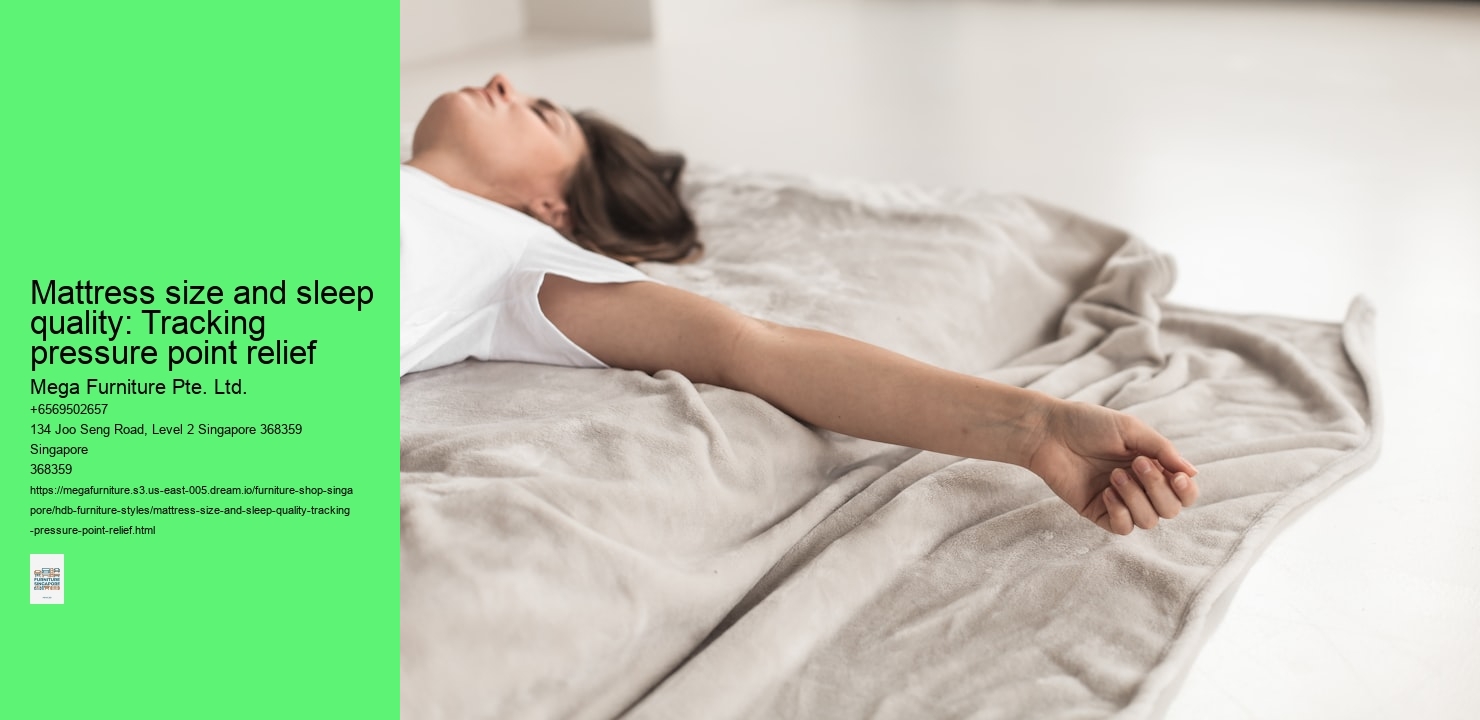
A 12 sqm HDB master bedroom—that’s the typical footprint for many flats. It’s a tight space, and the layout error that keeps happening is the Super Single bed. That 107 centimetre width might look neat on the floor plan, but it’s a recipe for shoulder cramp for a side sleeper. You’ll shift, you’ll extend an arm, and there’s either a wall or your partner right there. That’s not pressure point relief; it’s pressure point creation.
For side sleepers, the mattress needs to accommodate the natural sprawl. Your hips sink into a softer comfort layer, your shoulders need space to settle. A Queen bed, 152 centimetres wide, gives each person a proper zone. It’s the difference between sleeping and sleeping comfortably. In a room that size, you’ll sacrifice some floor space—maybe the dressing table goes elsewhere—but you gain the ability to actually move during the night without waking up sore.
The only time I’d say a Super Single can work is for a solo sleeper in a common bedroom, where the layout is truly pinched. But even then, if you’re a broad-shouldered person who sleeps on your side, that extra 45 centimetres of a Queen is worth the trade-off. You’ll have room to roll without your elbow hitting the wall. That buffer is crucial.

Measure your room, of course. Leave that 60 centimetres clearance on the side you exit from, the other sides can be tighter. But prioritise the sleeping surface over the walking space. You spend hours lying down; you spend minutes walking around the bed. The math is simple.
So skip the Super Single for the master bedroom. Go for the Queen. Your shoulders will thank you every morning.
Think of your hips and shoulders as landing gear—they need a wide enough runway to settle without jamming up against the edge. On a Super Single, that's a 107cm strip; your body’s weight gets concentrated onto a smaller surface, which can push pressure points right into the mattress’s perimeter. A Queen, at 152cm, gives those joints room to disperse the load laterally, letting the softer comfort layers do their job properly. It’s a simple physics thing: more width means less force per square centimetre.
Side sleepers, especially those with shoulder pain or expecting mothers advised to sleep on their left, really need that lateral space. You sink into the mattress to get relief, but if you’re too close to the edge, you’re sinking into a firmer, more supportive border zone instead of the plush centre. That’s the hip jam. In a 3.5 by 3 metre master bedroom, a Queen fits comfortably and provides that free float—your body finds its natural depression in the middle of the bed, away from the reinforced sides. A King can do it even better, but that’s a luxury for rooms with more generous floor plans.
The exception? Honestly, it’s the single sleeper in a tight common bedroom. A Super Single might be the only thing that fits alongside a study desk and a wardrobe. In that scenario, you compensate by choosing a mattress with a particularly deep and responsive comfort layer—one that cushions even when the landing zone is narrow. But if your room can take a Queen, go for it. The pressure map changes completely.
It’s not just about lying down; it’s about how you move through the night. You shift, you turn, you maybe pull an arm under your head. On a wider surface, those micro-adjustments happen without you ever contacting the edge, maintaining that crucial, uninterrupted pressure relief. That’s the real goal: a sleep surface where your joints aren’t constantly reminded of the mattress’s boundaries. For most side sleepers in a typical HDB setup, a Queen is the practical sweet spot—it turns a concentrated pressure point into a comfortably dispersed one.
A mattress for side sleepers must fit the room while allowing movement. Queen size beds at 152x190cm suit most HDB master bedrooms, but ensure roughly 60cm clearance on the exit side for ease. In a compact 12 sqm common bedroom, a Super Single mattress at 107x190cm can offer adequate space for a single side sleeper without crowding the floor.
Delivery logistics are critical for Singapore side sleepers. The real limit is often the HDB lift door opening, roughly 90cm wide. A standard Queen mattress frame can navigate this if the mattress is flexible or delivered separately. Always factor a 2–5cm buffer for corridor turns and internal doorways to avoid installation day surprises.
When two bodies share a mattress, the heavier sleeper's side will compress the comfort layers more. That creates a noticeable dip, a slope towards the centre that a lighter partner might feel. For side sleepers, this uneven sinking disrupts the crucial contouring meant to cradle shoulders and hips. Your spine alignment goes off because the mattress isn't providing uniform support across its surface. It's a common scenario in a 4-room BTO master bedroom where couples are figuring out their shared sleep setup.
The perimeter of a mattress, especially on narrower sizes, is often firmer to prevent roll-off. But that extra rigidity can feel jarring for a side sleeper who needs softer cushioning right where their shoulder presses. With a partner, you're both pushed towards the edges, amplifying that firm border's impact. A wider bed gives each person more central real estate, moving pressure points away from that unforgiving rim. You'll find your shoulder settling into a properly forgiving zone instead of a supportive but uncomfortable ledge.
A mattress designed for side sleepers relies on its top layers to mould around your body's curves. When a partner's weight alters the plane, that personalised contour gets distorted. The hip on the lighter side might not sink enough, while the heavier side's shoulder gets buried too deep. Maintaining independent zones of relief becomes the real challenge. Opting for a Queen or King gives the mattress material enough breadth to form two distinct, supportive hollows without interference.
Moving from a Super Single to a Queen, a jump to 152 centimetres wide, isn't just about extra sleeping space. It fundamentally changes how the mattress's firmness profile is experienced by each sleeper. The centre third, where disparity is worst, becomes less dominant in your nightly posture. You gain a buffer zone that absorbs the differential sinkage, letting the comfort layers work as intended. In many HDB master bedrooms, a Queen fits comfortably and solves this shared-firmness puzzle better than any material tweak alone.
The goal isn't two separate mattresses, but one surface that accommodates both spines correctly. A wider base allows each person's shoulder and hip to find their ideal depression without tugging the other person out of line. That continuous, undisturbed support is what prevents morning aches for side-sleeping couples. It's the unspoken reason to measure your room for the largest size you can reasonably fit. The extra centimetres translate directly into balanced pressure relief for two.
The advice to sleep on your left side during pregnancy is sound, but it introduces a specific mattress problem most buyers don't anticipate. Your body’s increased mass needs a deeper, more generous contour to cradle the hip and shoulder properly—a standard Super Single, with its narrower width and often thinner comfort layers, simply won’t provide that. It’s a geometry issue: the mattress surface area is too limited, and the padding too shallow, to prevent pressure points from developing over those long months.
That’s where a Queen or King width becomes essential. The extra space allows you to shift slightly without feeling perched on the edge, and it accommodates the natural changes in your sleeping posture. More critical, though, is the depth of the comfort layers themselves. You’ll want a mattress with a top section—memory foam or latex—that’s around 10 to 12 centimetres thick. This isn’t about overall mattress height; it’s about having enough pliable material above the firmer support core to sink into just enough for relief. Anything thinner risks your hip bone pressing against the harder base layer, which can lead to significant discomfort by morning.
Consider the typical layout: a 152 by 190cm Queen in a 3.5 by 3 metre master bedroom still leaves decent walking space, but the real benefit is that sleep surface. The wider platform combined with a substantial comfort layer creates a proper cradle. It’s the one scenario where opting for the minimum size—like a Super Single—is almost guaranteed to fail. You’ll feel the pressure, and there’s no adjusting the mattress after it’s in your home already.
There’s a straightforward exception, of course. If your bedroom is genuinely tiny—say, a common room under 12 sqm—and a Queen would block the doorway or leave no clearance, then the depth compromise is forced. In that case, you’d have to prioritise the thickest comfort layer you can find on a Super Single frame, and accept that you’ll need to be more deliberate about your positioning on the bed. But for most HDB master bedrooms, the Queen size with a deep, medium-soft top is the clear choice. It’s a setup that addresses the unique weight distribution of pregnancy directly, giving you the contour you need without the nightly ache.
Picture a Super Single in a Eunos 3-room flat during the monsoon season—the mattress feels like a heat sink after an hour. That’s because the narrow width, around 107 centimetres, traps your body’s warmth right under you with nowhere to escape. A Queen, measuring 152 by 190, gives you space to spread out, and that gap between sleepers becomes a channel for air to move. In our climate, where humidity sits around 80% most nights, that airflow isn’t just comfort; it’s a necessity for decent sleep.
Material choice magnifies the width problem. Memory foam, famous for contouring, is also notorious for retaining heat. On a Super Single, you’re essentially lying on a concentrated heat pad—the foam hugs you, and the narrow bed has no cool perimeter to offset it. Latex, naturally more breathable, performs better, but even then, cramming it onto a small frame limits its cooling potential. The same latex layer on a Queen mattress lets the material work as intended, with more surface area to dissipate warmth.
There’s a counterintuitive point here: a softer, pressure-relieving mattress for side sleepers can actually feel hotter if it’s the wrong size. You might pick a medium-soft memory foam for your shoulder, but if you’ve chosen a Super Single for a compact bedroom, you’ve doubled down on heat retention. The solution isn’t always a firmer mattress; it’s a wider one. A Queen gives those thicker comfort layers room to breathe, so the latex or foam can contour without cooking you.
The exception? If your bedroom truly cannot fit a Queen—say a very tight common room in a resale flat where a 152-centimetre width would block the doorway—then you’re forced to prioritise space over climate control. In that scenario, you’d need to be extra selective about materials, leaning heavily on natural latex or gel-infused foams, and maybe even a dedicated cooling topper. But for most master bedrooms, even in 4-room BTOs, a Queen fits comfortably with about 60 centimetres clearance on one side. That’s the smarter baseline.
So for side sleepers juggling pressure relief and our sticky weather, the width decision is straightforward. Go Queen if your room allows it. The extra surface area isn’t just about sleeping space; it’s your primary defence against night-time humidity turning your bed into a sauna.
The way a mattress feels in a showroom isn't just about its labelled firmness. It's about how your body sinks into the space it has, and for side sleepers, that interplay between shoulder space and hip support changes dramatically with the bed's width. You can't guess it from a spec sheet. The pressure relief you need depends on the mattress letting your shoulder sink enough without letting your hip drop out of alignment—a balance that shifts when you move from a Queen to a King.
On a Queen, a side sleeper's shoulder might press deeper into the mattress surface because there's less lateral space to disperse the weight. That can feel fine if the comfort layer is soft enough, but it can also push the spine into a slight curve if the hips aren't properly supported on the same plane. On a King, the wider surface allows the shoulder to sink more gently, often feeling less intense pressure at that point, but it might require a slightly firmer base to keep the hips from sinking too far. Testing a medium-soft model on a Queen and then on a King can feel like two different mattresses. That's why you have to lie down on each size, in your actual sleeping position, to feel the difference.
The only time this rule doesn't apply is if your bedroom is so tight that a King would leave you with no walking space—then you're locked into a Queen or smaller, and your testing focus shifts entirely to finding the right firmness for that fixed size. For most master bedrooms in a 4-room BTO, a King can fit with careful planning, so you have the choice. And that choice should be made on the showroom floor, not on a website.
So head to a showroom with both sizes on display. Lie on your side on the Queen. Pay attention to whether your shoulder feels buried or cushioned, and if your lower back feels straight. Then move to the King. Notice if the shoulder pressure feels lighter, but check if your hips feel stable. The right combination isn't a universal formula; it's the one where your spine stays neutral and your pressure points feel relieved across the entire width you'll actually sleep on. Don't just roll onto a demo bed for a minute. Spend a good ten minutes in your side-sleep pose on each size. Your body will tell you which size-firmness pair works.
Can a Super Single actually relieve shoulder pain for a side sleeper? It can, but the relief comes from the mattress's comfort layers, not the width. A 107 by 190cm Super Single gives you enough room to roll a bit, but the real fix is a medium-soft to medium mattress with thicker contouring foam. That pressure point relief is about the material sinking to cradle your shoulder, not about sprawling across a vast expanse.
Does a Queen size help with hip pain? Same story. A 152 by 190cm Queen gives a couple—or a solo sleeper who likes space—more freedom to shift without disturbing a partner. But for hip pain, you need that forgiving top layer to absorb the pressure. The size just stops you from feeling trapped in one position all night, which can worsen stiffness.
Is a King too big for a HDB bedroom? In many master bedrooms, around 3.5 by 3 metres, a King can fit with careful layout—you'll need to leave about 60cm clearance on one side for getting out. But in a room under roughly 3 by 2.5 metres, it'll feel cramped. That's a comfort trade-off: more sleeping surface versus less breathing room around the bed. For side sleepers, a spacious Queen often strikes the right balance.
What about a pregnant side sleeper in a condo, advised to sleep on the left? Here, size matters more. You'll need room for pillows between the knees, maybe a wedge, and to accommodate that shifting bulk through the months. A Queen is the practical minimum; a King gives ultimate flexibility if your bedroom can take it. The mattress itself should be supportive but forgiving—a firm base with a soft top layer to handle those changing pressure points.
The exception? If you're a solo side sleeper in a tight common bedroom, a Super Single with the right soft comfort layers can be perfectly adequate. The width isn't the hero for pain relief, but it's a sensible compromise when space is truly limited.
You’ve measured the floor, you’ve checked the door swing, you’ve even confirmed your existing bed frame can handle the upgrade. That final step before committing to a wider mattress, however, often gets skipped in the rush of a showroom decision. It’s a simple visualisation, but it’s the one that determines whether your new mattress actually solves the problem it’s meant to address. Side sleepers need space to sprawl.
Lie on your side and extend your arm naturally—that’s your true width requirement. A shoulder needs room to sink into the comfort layers without your elbow hitting the wall. In a typical 3.5 by 3 metre HDB master bedroom, a Queen size often leaves a decent margin. A King, while luxurious, can shrink that clearance to a mere 30 centimetres on one side if the layout isn’t perfect. That’s when you’ll find yourself unconsciously curling up, defeating the whole purpose of a pressure-relieving mattress designed for free movement. The extra width is only beneficial if your sleeping posture can actually use it.
Consider the door swing, too. It’s not just about fitting the mattress through the doorway on delivery day. A bedroom door that swings inward needs clear floor space to open fully without banging against the bed frame. If it only opens halfway because a King bed encroaches, you’ll regret it every time you carry in laundry or need to move a bulky item. Internal bedroom doors are usually the tightest constraint, often around 91.5 centimetres wide. That clearance affects daily living far more than the one-time delivery challenge.
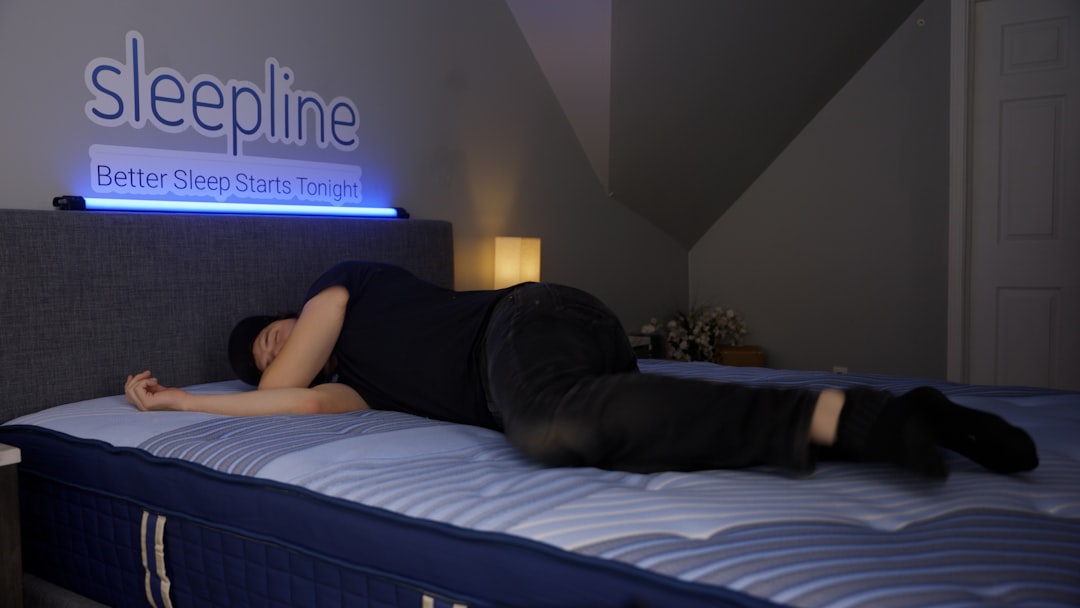
There’s a clear exception to opting for maximum width. If your bedroom is a compact common room in a 4-room BTO, perhaps around 12 square metres, going for a Super Single instead of a Queen might be the smarter long-term comfort choice. You’ll gain precious floor space for a side table or a small chair, and you’ll still get the pressure relief from a quality side-sleeper mattress—just without the wall-climbing sensation. The goal is to relieve your shoulders and hips, not to create a new constraint.